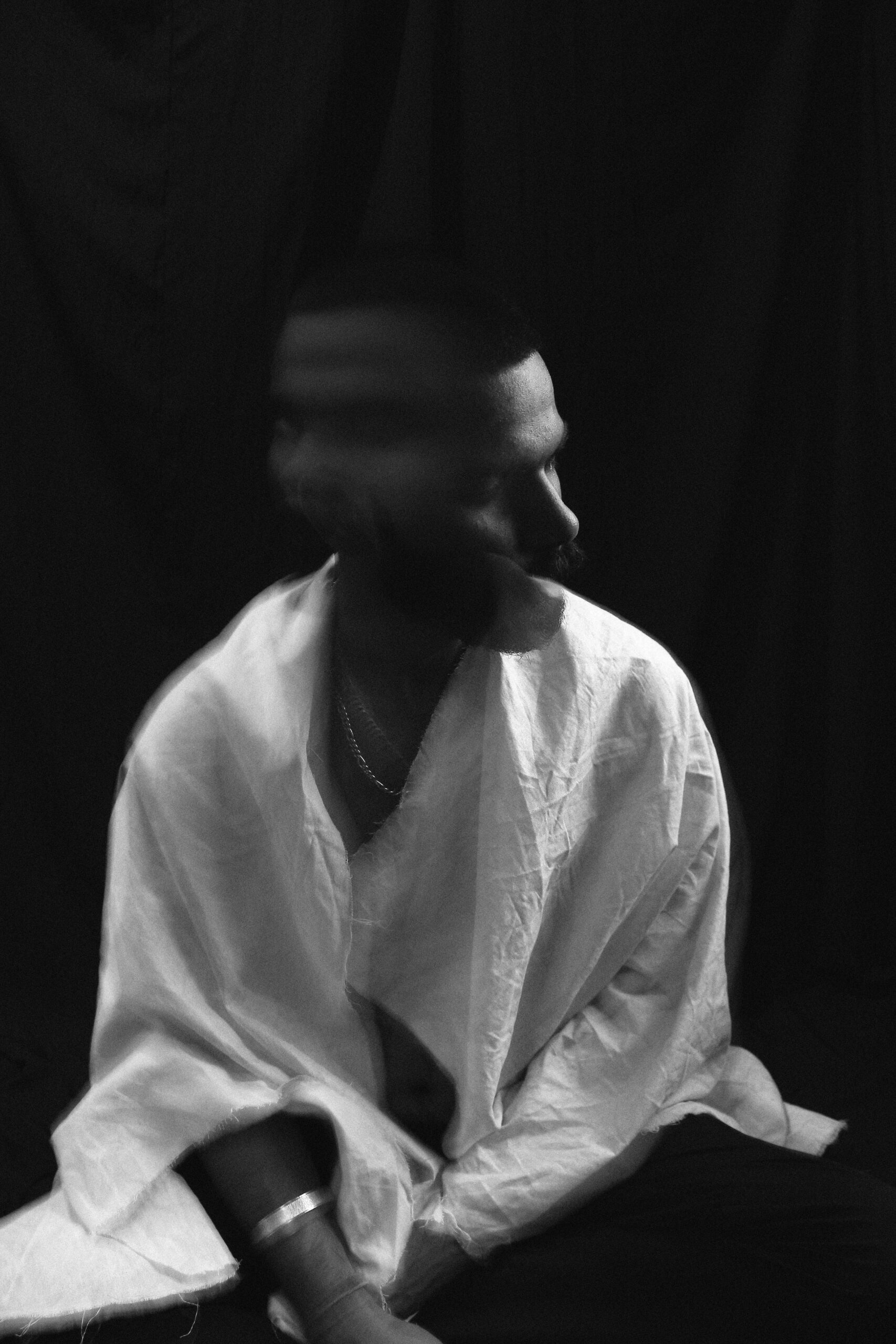
Why We Sometimes Let the Wrong People In
Queer life is often painted as vibrant, free, and unapologetically bold. But beneath the glitter and resilience lies a quieter truth: many queer people wrestle with vulnerability that can lead them into relationships with people who don’t deserve them. This isn’t about weakness—it’s about the scars of survival, the hunger for belonging, and the psychological patterns that shape our choices.

The Roots of Queer Vulnerability
- Internalized Shame
- Growing up queer often means absorbing messages that we are “not enough.” This internalized shame can manifest as a belief that love must be earned through sacrifice, even at the cost of self-respect.
- Scarcity Mindset
- Because queer love has historically been marginalized, many internalize the idea that opportunities for connection are rare. This scarcity mindset can push people to accept relationships that are harmful, simply out of fear that nothing better will come.
- Validation Seeking
- Queer people often crave affirmation in a world that has denied them visibility. This can lead to chasing validation from partners who exploit that need, rather than nurturing it.
The Cycle of “Not Good Enough”
- Self-Doubt
- When someone believes they are unworthy, they may tolerate mistreatment, rationalizing it as the best they can get.
- Attachment to Chaos
- For some, instability feels familiar. If rejection or conditional love was part of early queer experience, then chaotic relationships can feel like home.
- Letting People Come and Go
- Without strong boundaries, partners who are manipulative or emotionally unavailable can drift in and out, leaving the queer person drained but still clinging to hope.
Psychological Overview
- Attachment Theory
- Many queer people develop anxious or avoidant attachment styles due to early rejection. This makes them more likely to pursue unavailable partners or cling to toxic dynamics.
- Minority Stress
- Constant exposure to discrimination, microaggressions, or invisibility creates chronic stress. This erodes self-esteem and increases vulnerability to unhealthy relationships.
- Trauma Repetition
- Psychologists call it “repetition compulsion”: the tendency to recreate familiar pain in hopes of mastering it. Queer individuals may unconsciously seek out partners who echo past rejection, trying to rewrite the story but ending up hurt again.
Moving Toward Healing
- Boundaries as Liberation
- Saying “no” is not rejection—it’s self-preservation. Boundaries are a radical act of queer self-love.
- Community as Anchor
- Healthy queer friendships and chosen families remind us that love doesn’t have to be conditional.
- Reframing Worth
- Healing means shifting from “I am lucky someone wants me” to “I am worthy of love that uplifts me”.
Queer vulnerability is not a flaw—it’s a testament to survival in a world that often denies us safety. But survival doesn’t mean settling. Recognizing these psychological patterns allows queer people to reclaim their power, set boundaries, and demand relationships that honor their brilliance.